Finding the live casino best time to play often comes down to your own schedule rather than some secret algorithm. I reckon most Aussies want a session that fits around work or a late arvo swim, not the other way around. The trick is matching your energy levels with the dealer shifts and table capacity. If you treat it like a creative workflow, you plan the rhythm before you start. Some operators run tighter shifts on weekends, while midweek evenings can feel quieter. You want a spot where the pace suits your patience, not just a flashy lobby. It helps to know when the tables feel full and when they breathe a bit more.
Weighing table traffic and dealer shifts
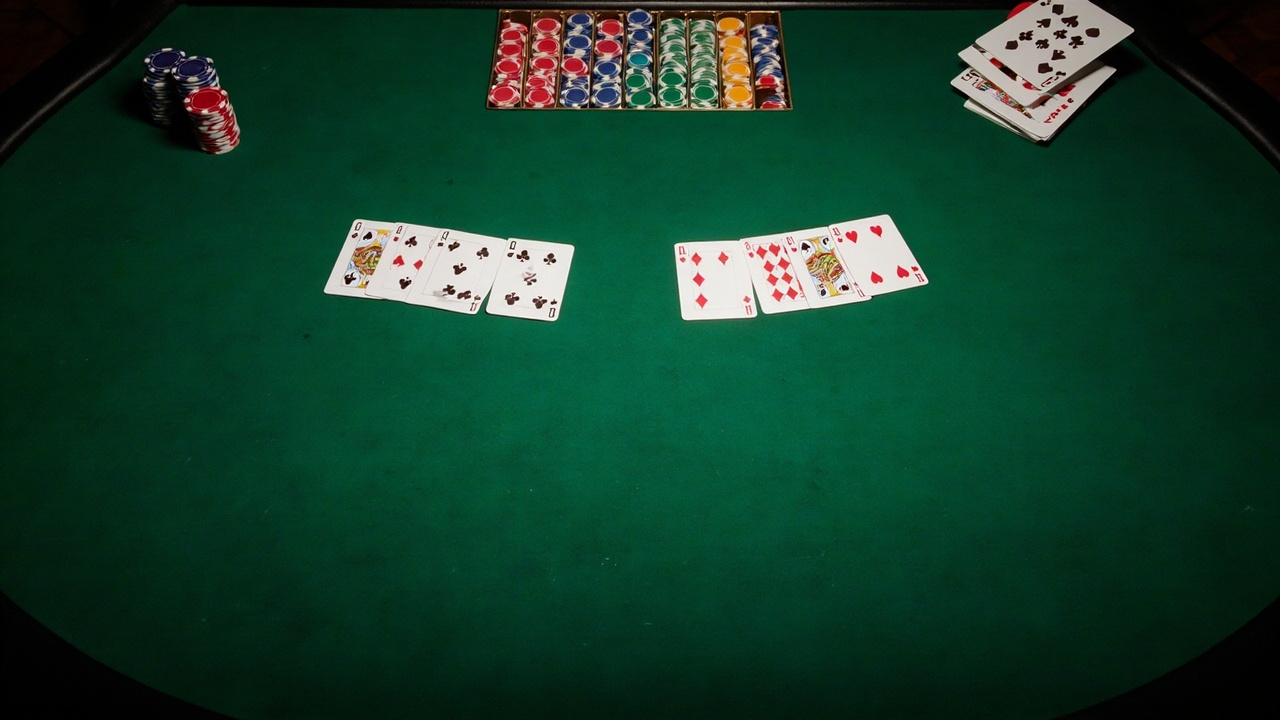
Table traffic moves in waves, and that rhythm matters more than the jackpot size on the screen. I’ve seen live tables run like a busy Gold Coast surf club on a summer Saturday, packed and loud, while Tuesday nights can sit quieter with dealers who have more time for chatter. When I think about art direction, I look for visual clarity under pressure, and a crowded table often means slower chat and tighter pacing. If you prefer a calmer session, aim for the early evening slots when the shift change hasn’t quite hit. If you want buzz, the weekend late arvo usually delivers. The key is reading the room before you buy in, because a table that feels rushed rarely lets you settle into your own rhythm. I’d rather book a session that matches my mood than chase a busy room for the sake of it. That kind of planning keeps the session comfortable and stops you from feeling rushed by the clock.
Matching your session to bonus contribution rules
Bonus mechanics can quietly steer when you sit down, especially if you care about how much each bet contributes to wagering. Some promotions weight certain live tables more heavily, which means a busy Friday night might actually work against you if the table you want carries lower contribution rates. I’ve always treated bonus terms like a layout grid, where every element has its place and the wrong placement throws off the whole composition. If a promo caps live casino contribution at a set percentage, you want to know that before you commit, not after you’ve blown through a few spins. Eligibility windows also matter, because a welcome offer might only apply to your first deposit or a specific time window. Recurring promos can soften the edges, but they usually come with their own limits and expiry dates. The smart move is to read the contribution rules and pick a session that lines up with them, so you’re not fighting the fine print while the dealer is dealing.
| Detail | What it usually means |
|---|---|
| Live tables | Dealer-led roulette, blackjack, and baccarat across set shifts |
| Bonus structure | Welcome offer with wagering and contribution caps on live play |
| Payments | AUD-friendly deposits and withdrawals with standard processing times |
| Mobile | Full live lobby accessible on phone and tablet browsers |
| Support | Live chat and email during local trading hours |
| Loyalty | Tier-based rewards that stack with regular sessions |
Planning around payments, verification, and local timing
Payment timing and verification can shape your session more than the game itself, especially when you’re trying to keep things smooth from one deposit to the next. I’ve always preferred a setup where the money flow feels as clean as a well-organised art board, because nothing kills momentum like waiting on a hold while the table keeps turning. If you’re playing in AUD, it helps when the cashier keeps things straightforward and the withdrawal path is clear from the start. Verification usually comes before any real payout, and that’s just the reality of playing properly, so it pays to sort your details early rather than mid-session. Local timing matters too, because support and cashier hours can shift around Australian trading times, and a late-night deposit isn’t always matched by instant help. If you want a session that doesn’t stall, pick a window where the back-end is awake and your own schedule is settled. That way the money side stays out of the way and the live tables stay the focus.
Keeping the pace comfortable over a long run
A comfortable pace usually beats a frantic one, even when the lobby looks busier and the bonuses look louder. I’ve noticed that sessions run better when you treat them like a measured creative pass, where you check the rhythm, adjust if the table feels off, and don’t force a stretch just because the clock says you should. Some players like a short, sharp burst before dinner, while others prefer a longer sit that ebbs and flows with the dealer’s cadence. Either way, the goal is the same: keep the session enjoyable without letting it eat into the rest of your night. If a table starts feeling repetitive or the pace drags, there’s no prize for sticking it out. The best sessions are the ones where you can step away feeling like you played your game, not the one the lobby tried to sell you. That kind of discipline keeps the experience clean and stops a quiet Tuesday from turning into a frustrating one.
When you stop chasing every signal, you start noticing which moments actually deserve your attention. That kind of restraint keeps the whole session from tipping into noise. If you ever want to see how that philosophy holds up in practice, you can read more at luckyelf.
If you’re weighing when to sit down, the real answer is the slot that fits your evening, your bonus terms, and your tolerance for a busy room. Check the shift patterns, read the contribution rules, and make sure the cashier and support hours line up with your plan. Do that, and the session feels less like a rush and more like a proper night at the tables.